📄 Research Documents
📑 PDF Ancient Faces: Working Document
Comprehensive working document on the facial morphology research. Unedited draft including examples like Nefertiti that meet the research parameters.
📑 PDF Facial Morphology Study (Qwen 3.5)
AI-assisted analysis of additional facial morphological details associated with the straight bridge of the nose.
📑 PDF Traces of the Biological Elite
Investigating evidence for a distinct biological elite class in ancient societies.
📑 PDF Personality Traits of the Ancient Elite
Exploring whether associated personality traits can be deduced for this same class of people.
📑 PDF The Persian Case Study
Identifying when this facial profile disappeared from the visual record in Persia.
📑 PDF The Unbreakable Code
The unbreakable code of elite membership — markers of ancient ruling classes.
📑 PDF Mildenhall Great Dish: Executive Summary
Comprehensive analysis of the 4th-century Roman silver dish, tracking nasal morphology, gender markers, and status coding across 22 figures.
📊 CSV Mildenhall Great Dish: Facial Breakdown Dataset
Raw data spreadsheet tracking sex, nasal type, location, identification, shoulder marks, arm bands, and footwear for all 22 figures.
🔍 The Salient Feature: The following images depict the distinctive facial morphology that inspired this research — a straight nose with no bridge indentation, often combined with high forehead, almond eyes, full lips, strong chin, and oval face.
🖼️ Image Gallery: The Straight Nose Morphology
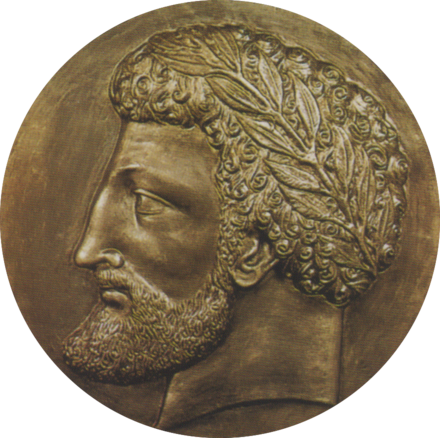
The Berber King Massinissa
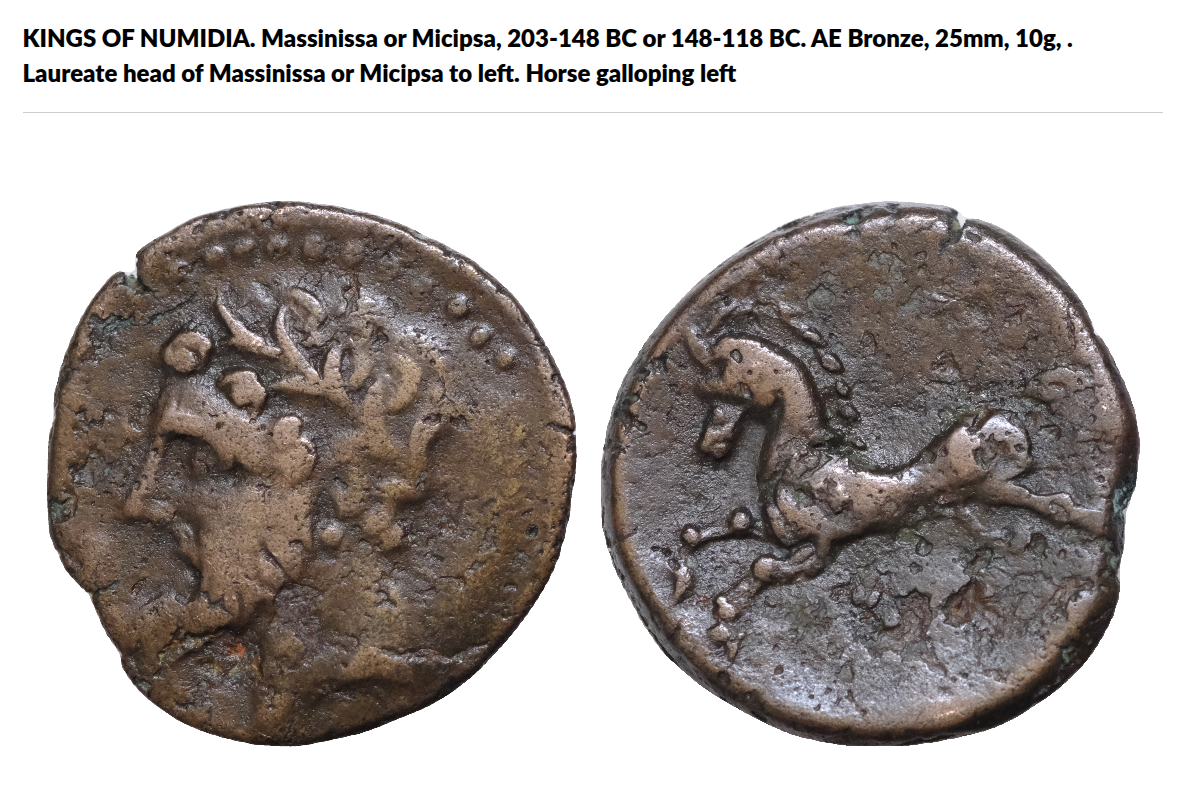
Massinissa — Coin Portrait
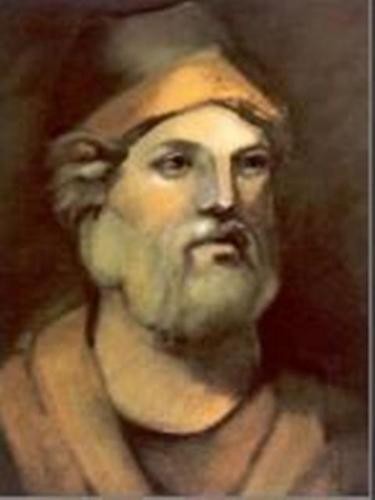
Massinissa — Artistic Rendering
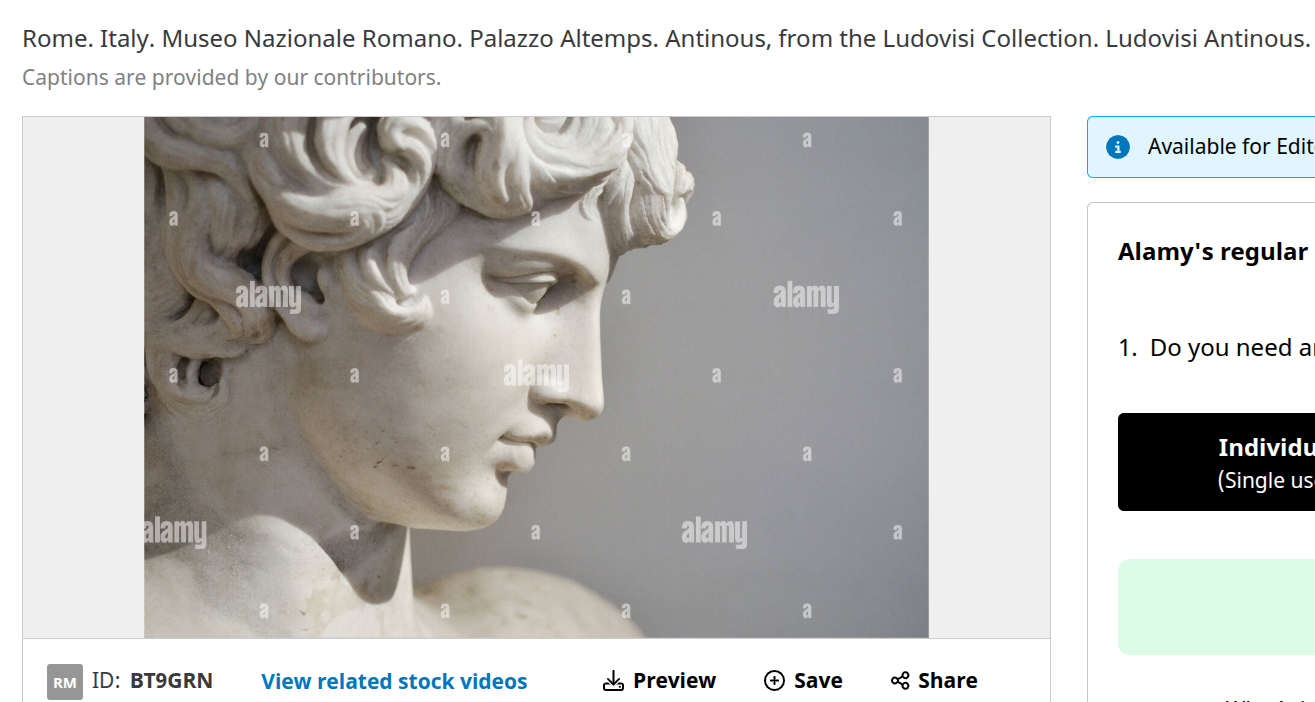
Antinous — Beloved of Hadrian
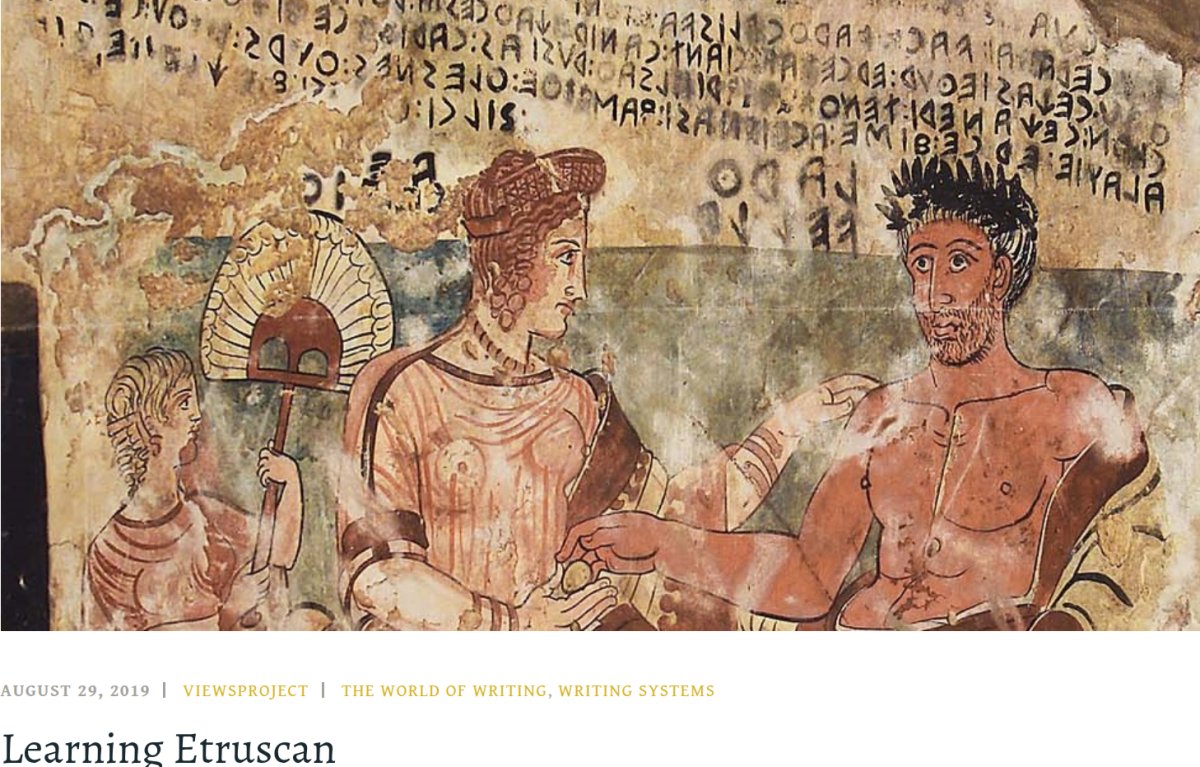
Etruscan Fresco
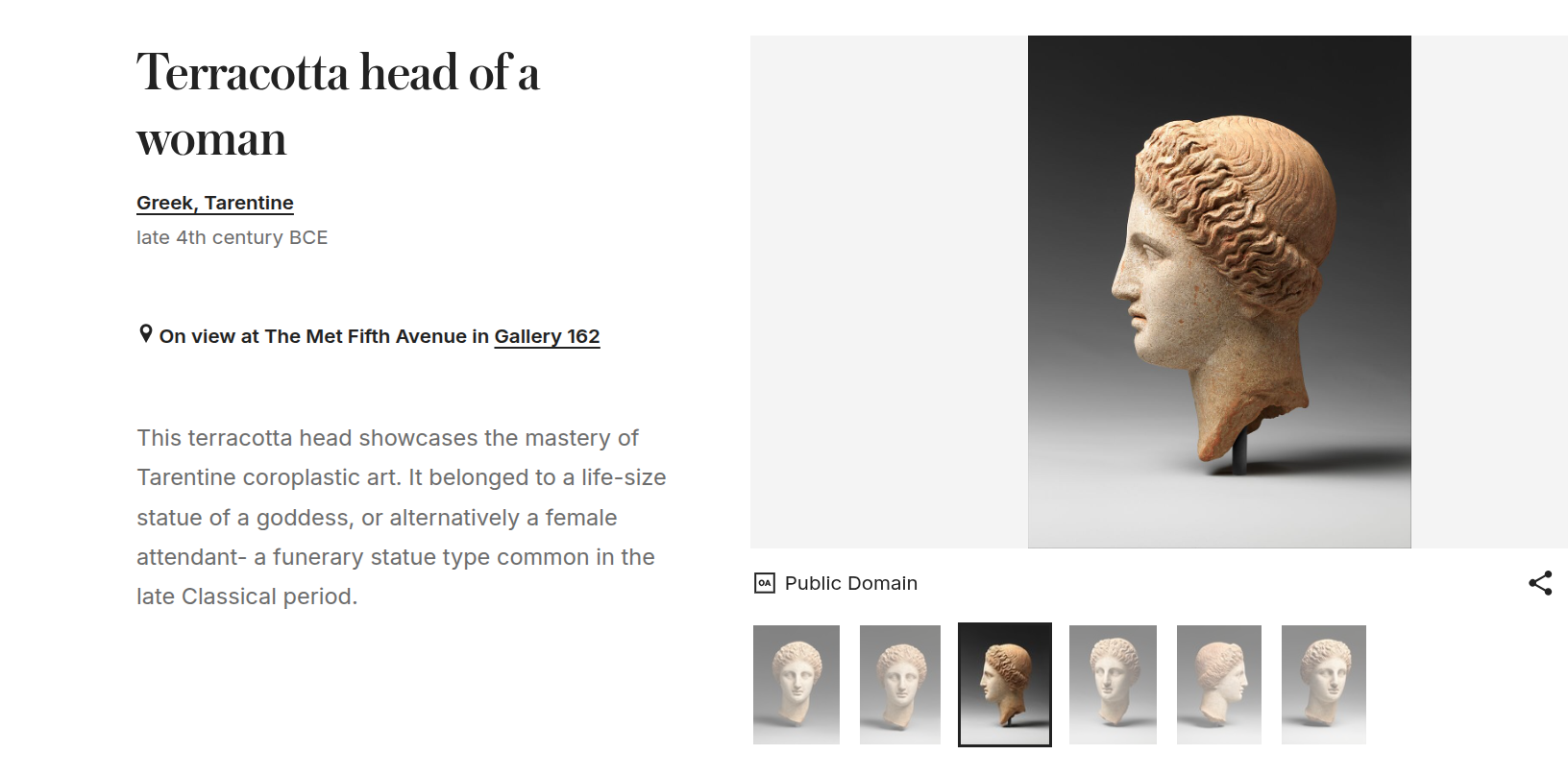
Greek Woman's Head Sculpture
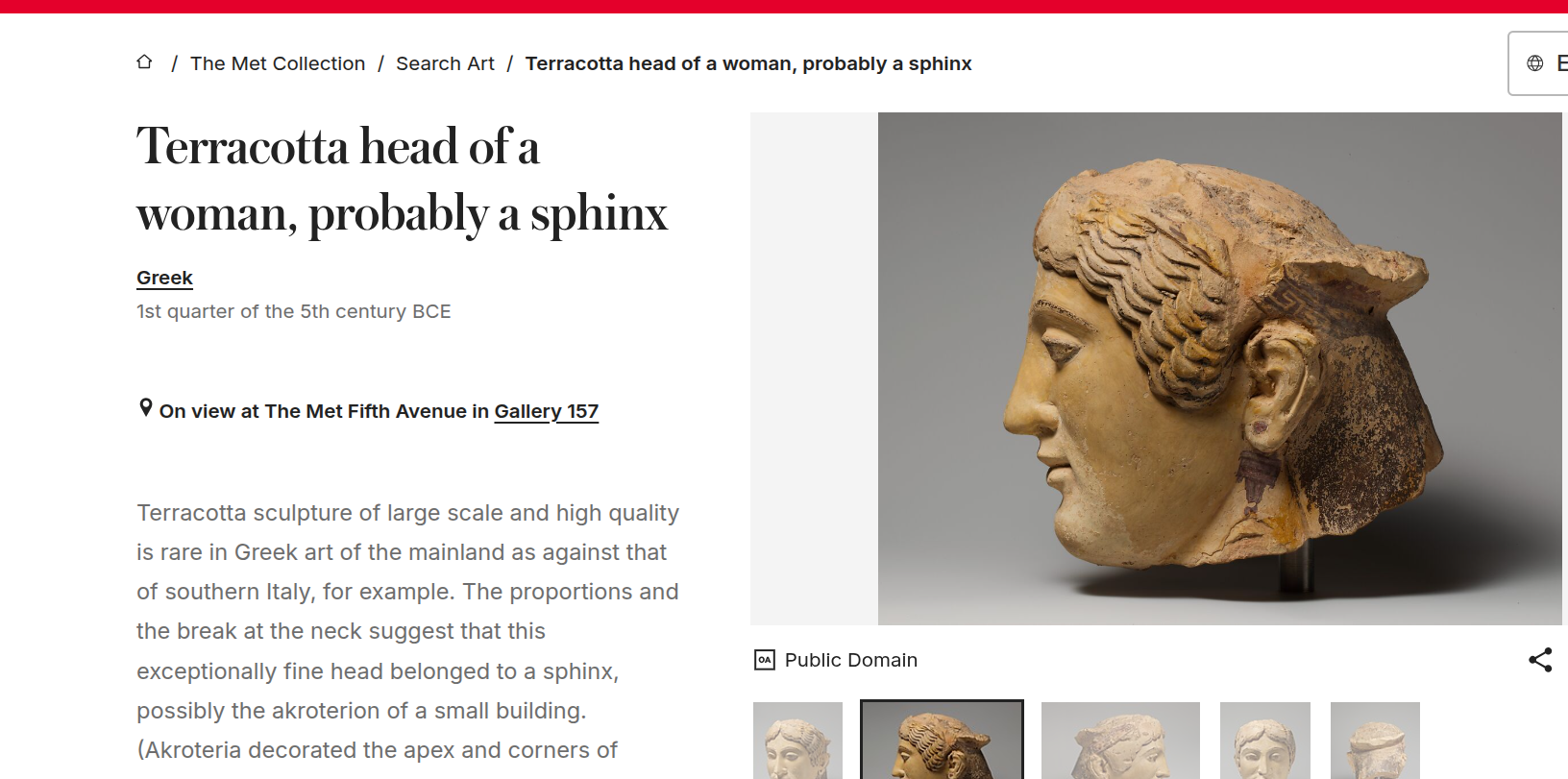
Greek Sculpture — Possible Sphinx
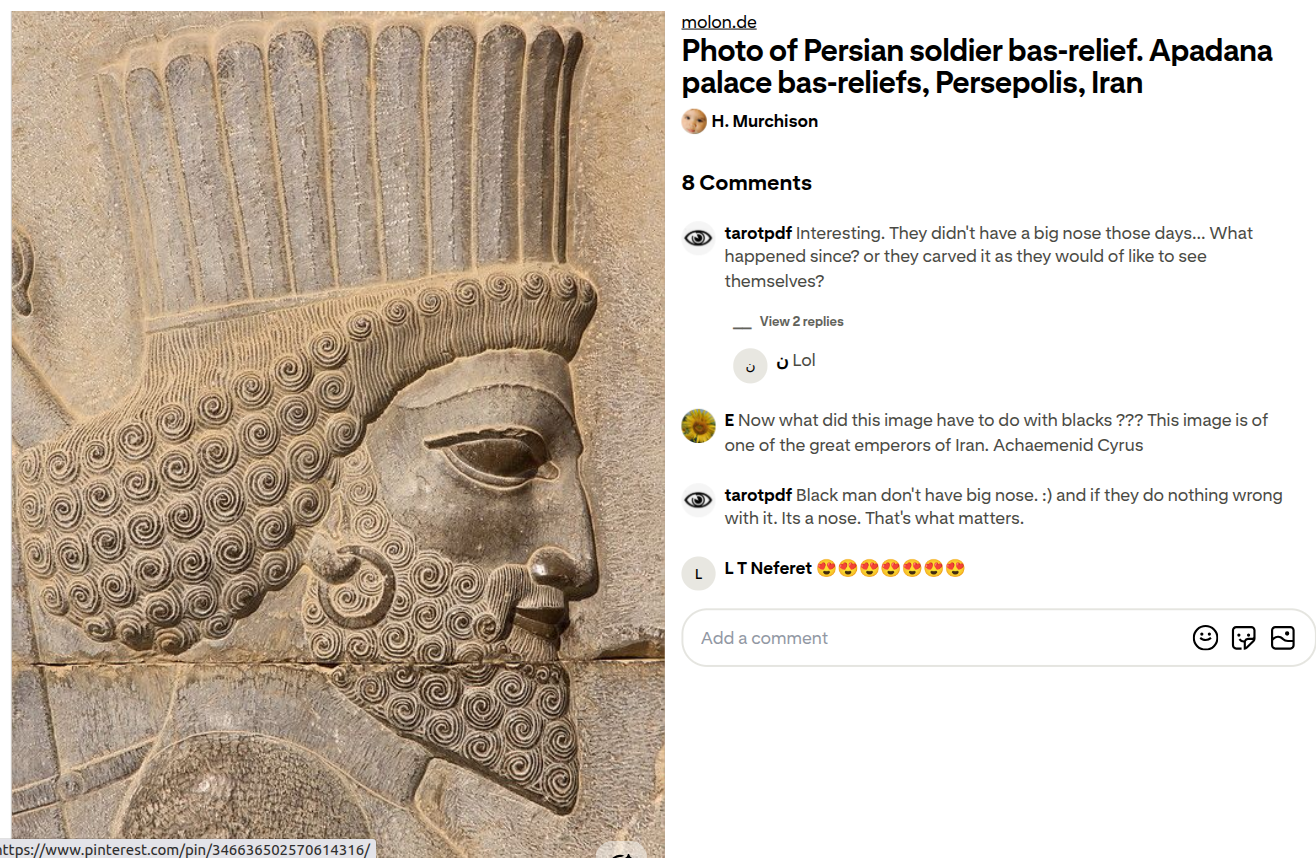
Persian Soldier — Persepolis
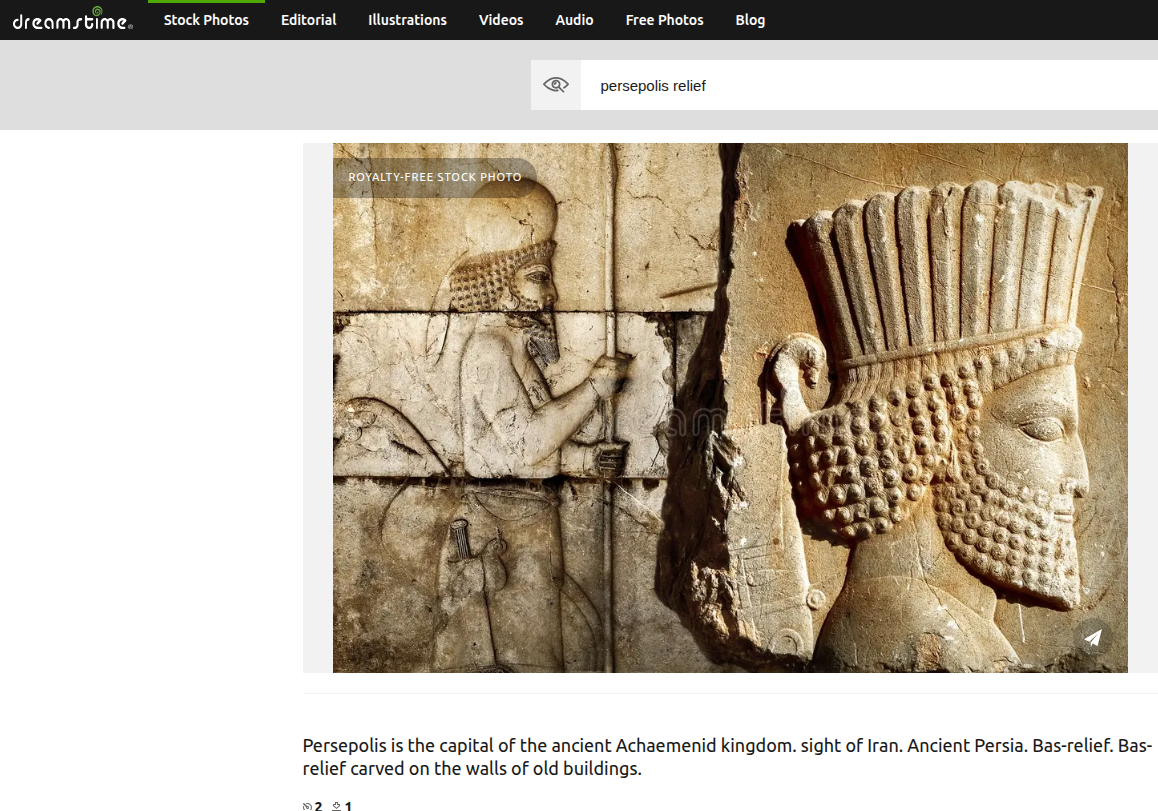
Persian Relief — Persepolis
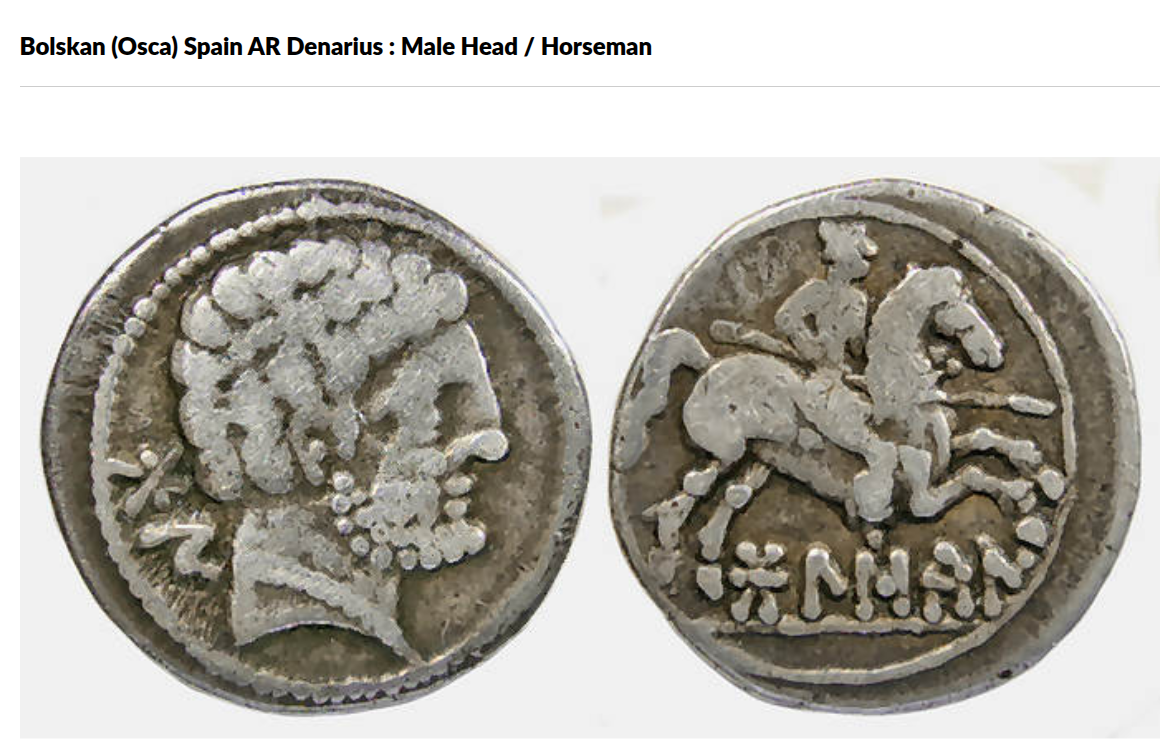
Bolskan Denarius
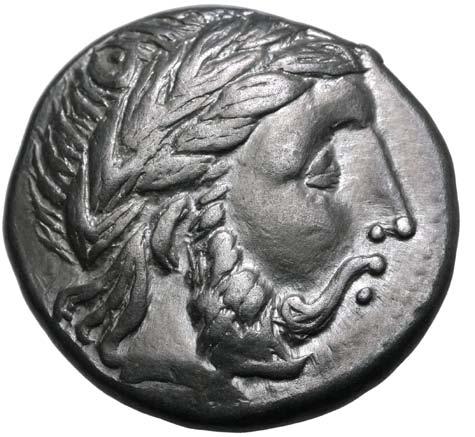
Ancient Coin Portrait
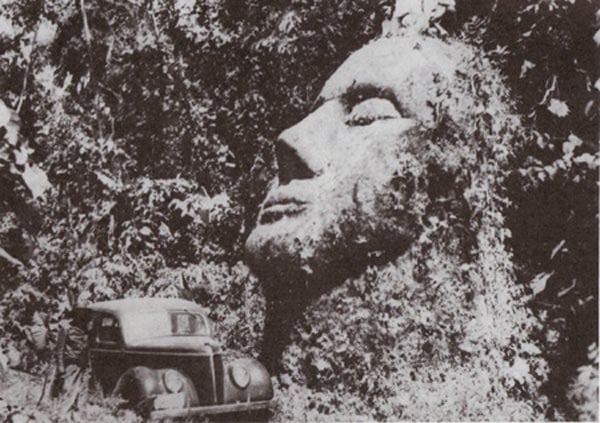
Guatemalan Stone Head
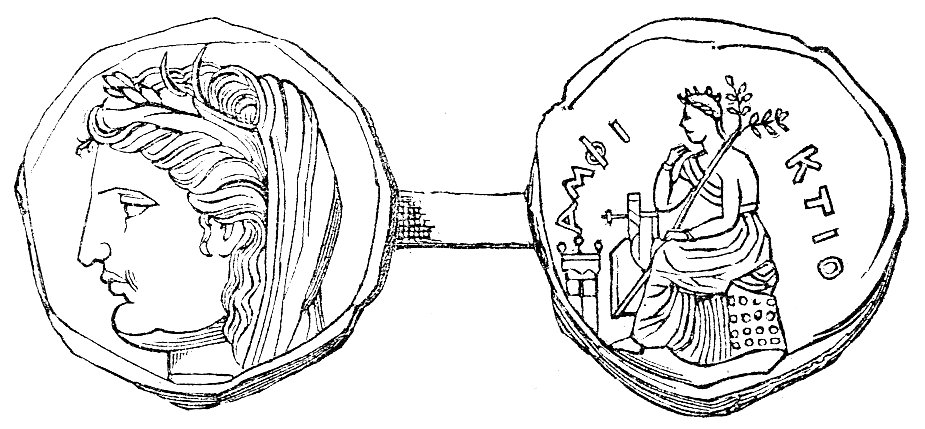
Ancient Coin — Classical Profile
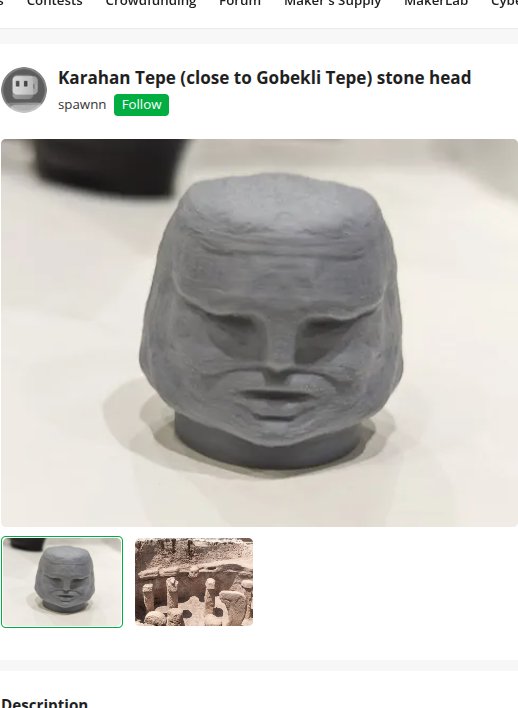
Taş Tepeler Culture — 3D Print
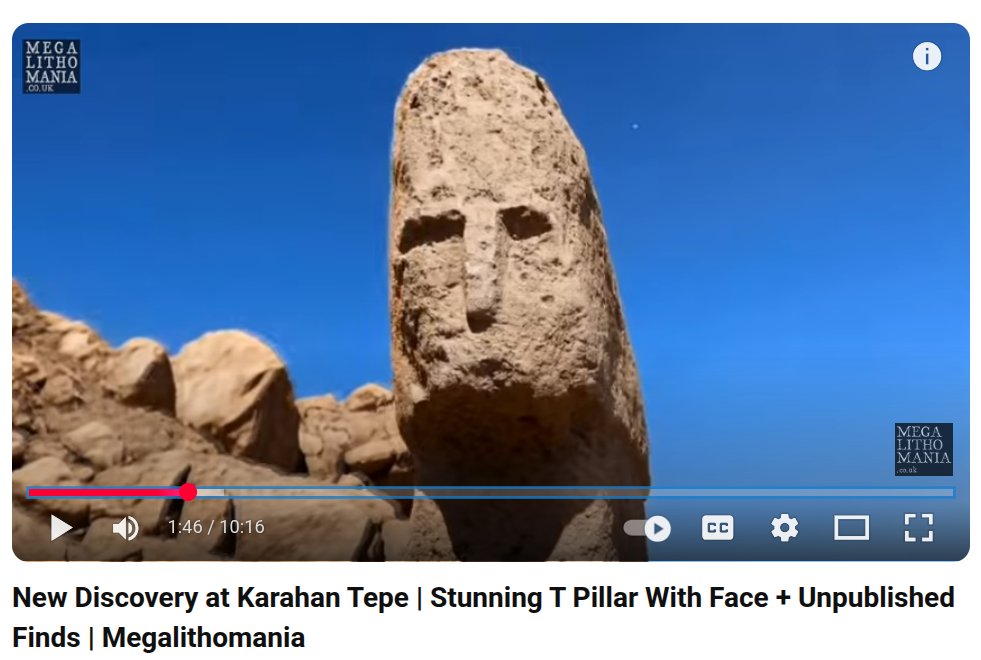
Taş Tepeler Culture Sculpture
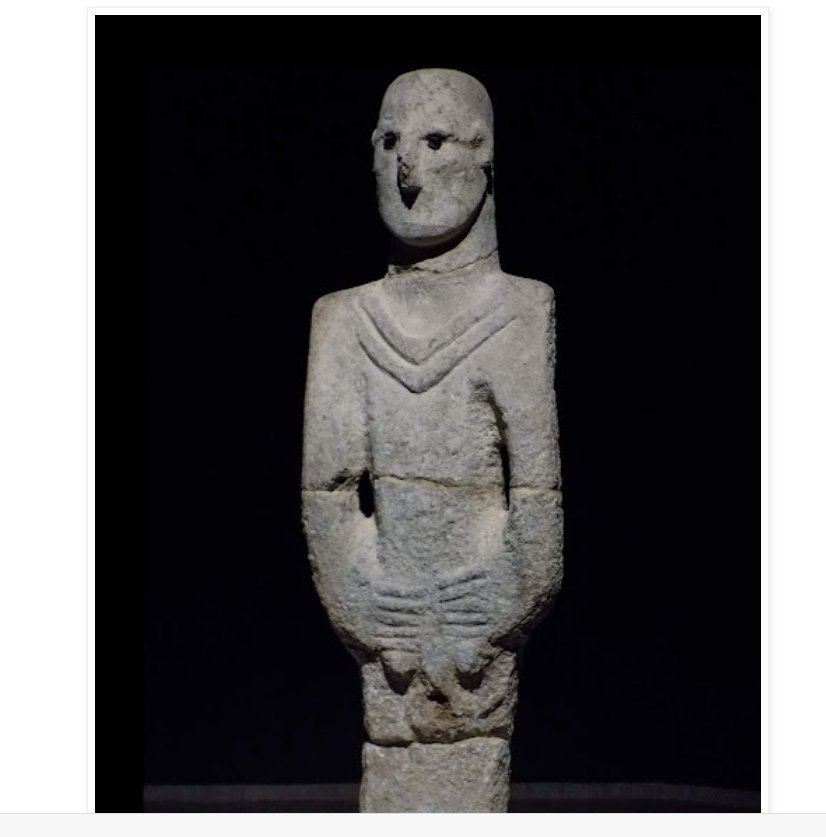
Urfa Man — Taş Tepeler
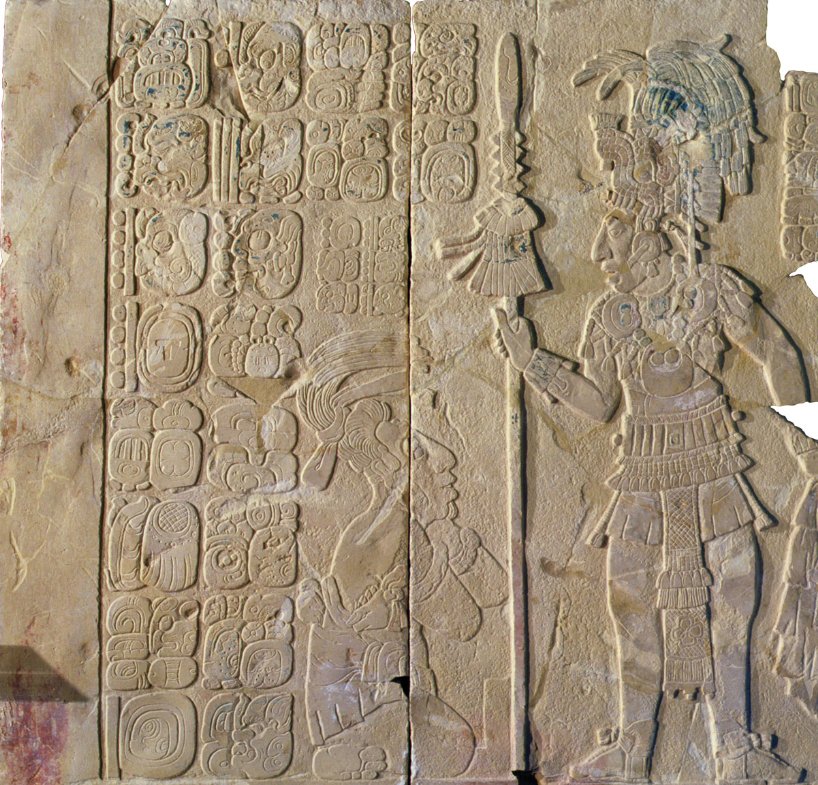
Mayan Bas Relief
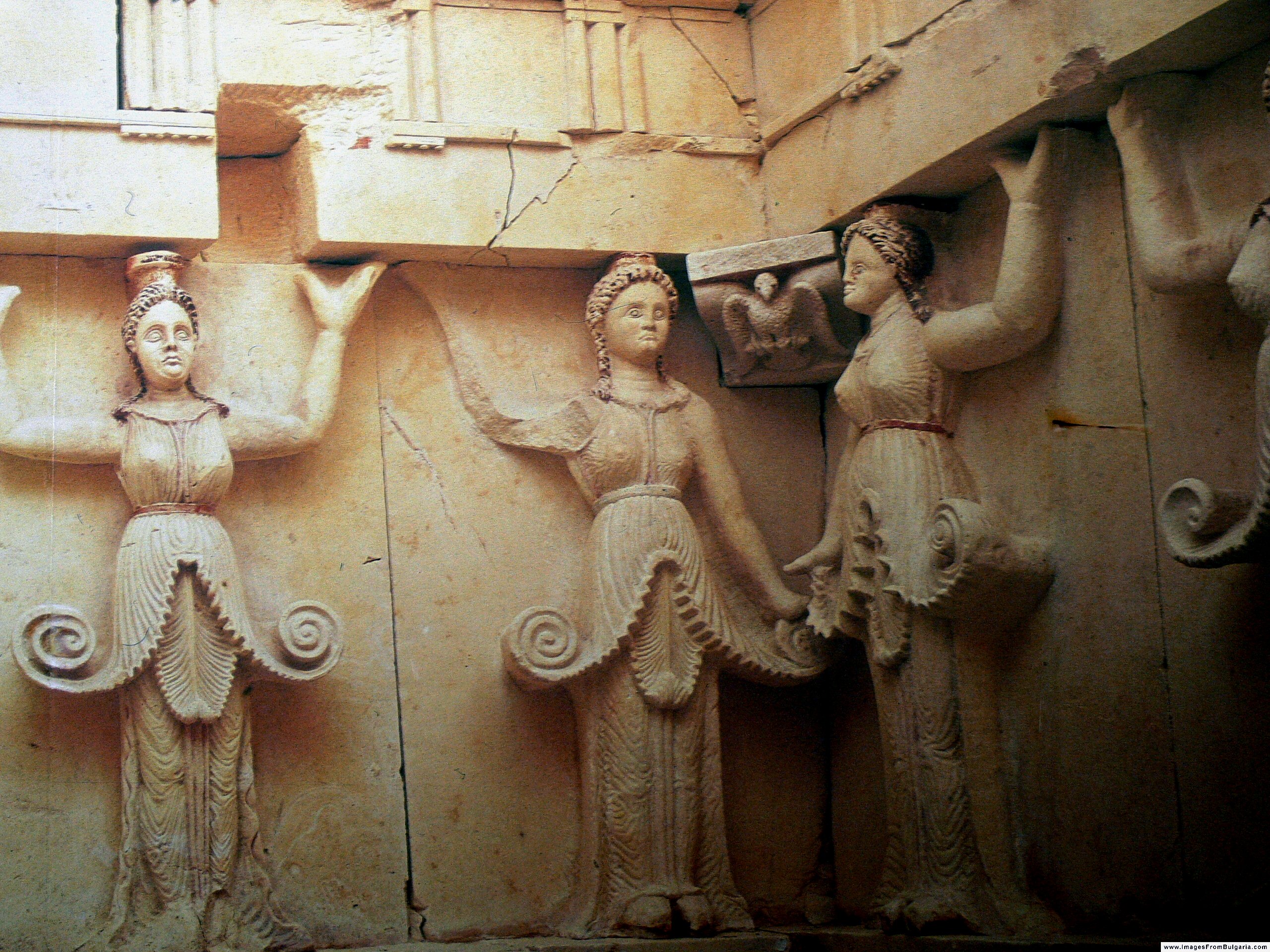
Thracian Caryatids — Sveshtari Tomb
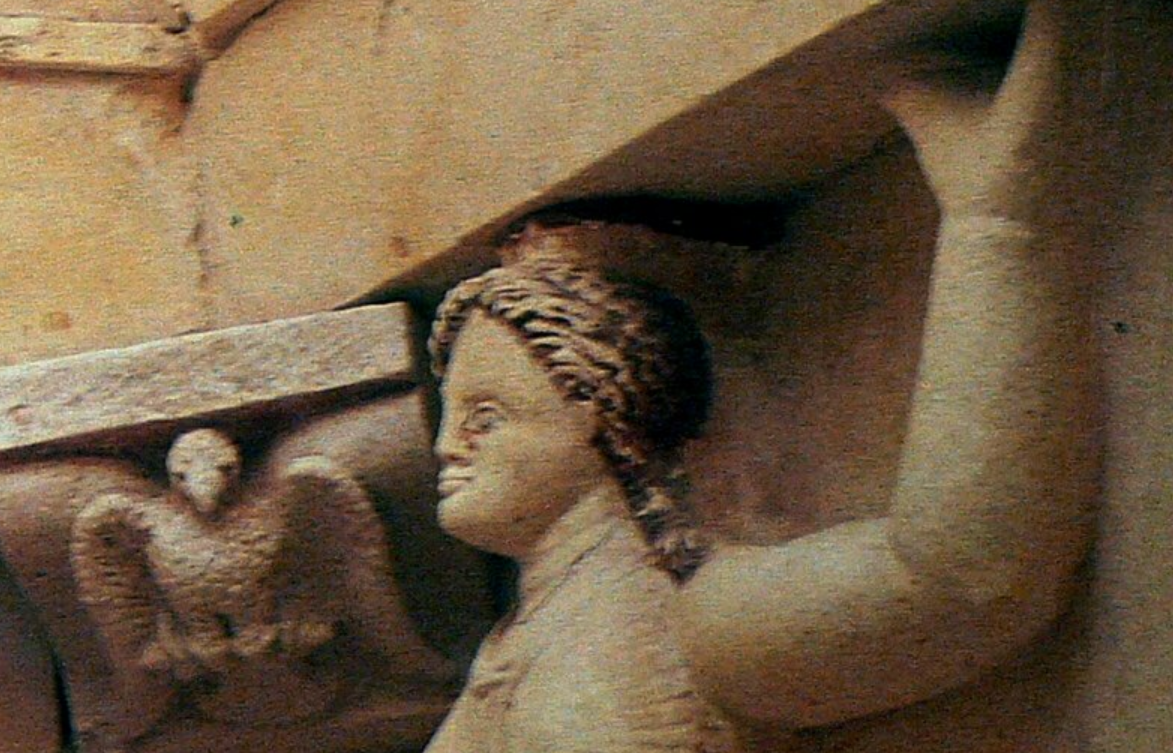
Thracian Caryatid — Detail
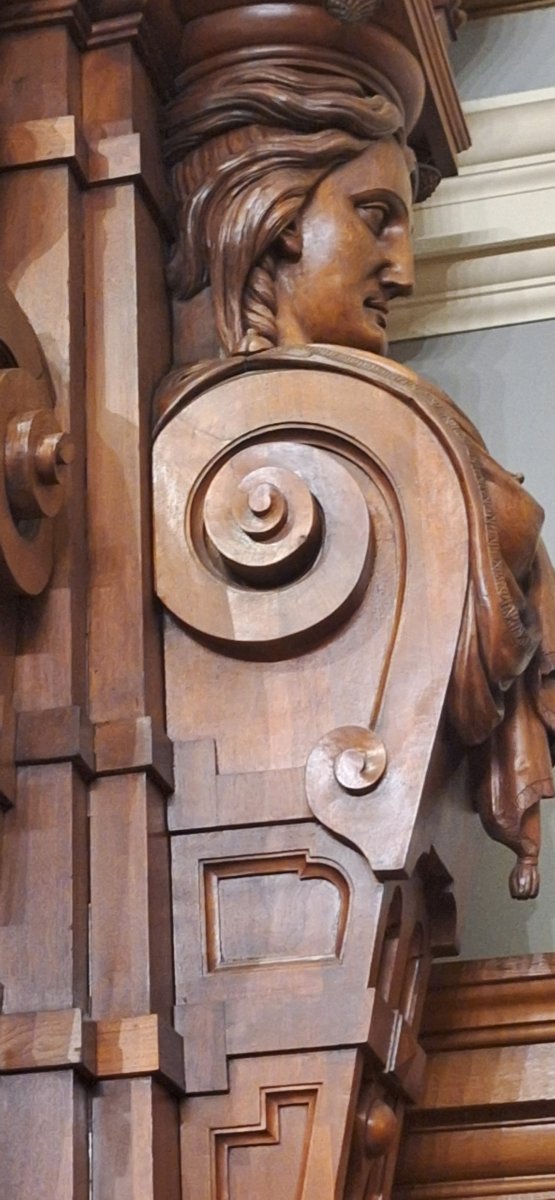
Modern Wooden Carving

Caryatid
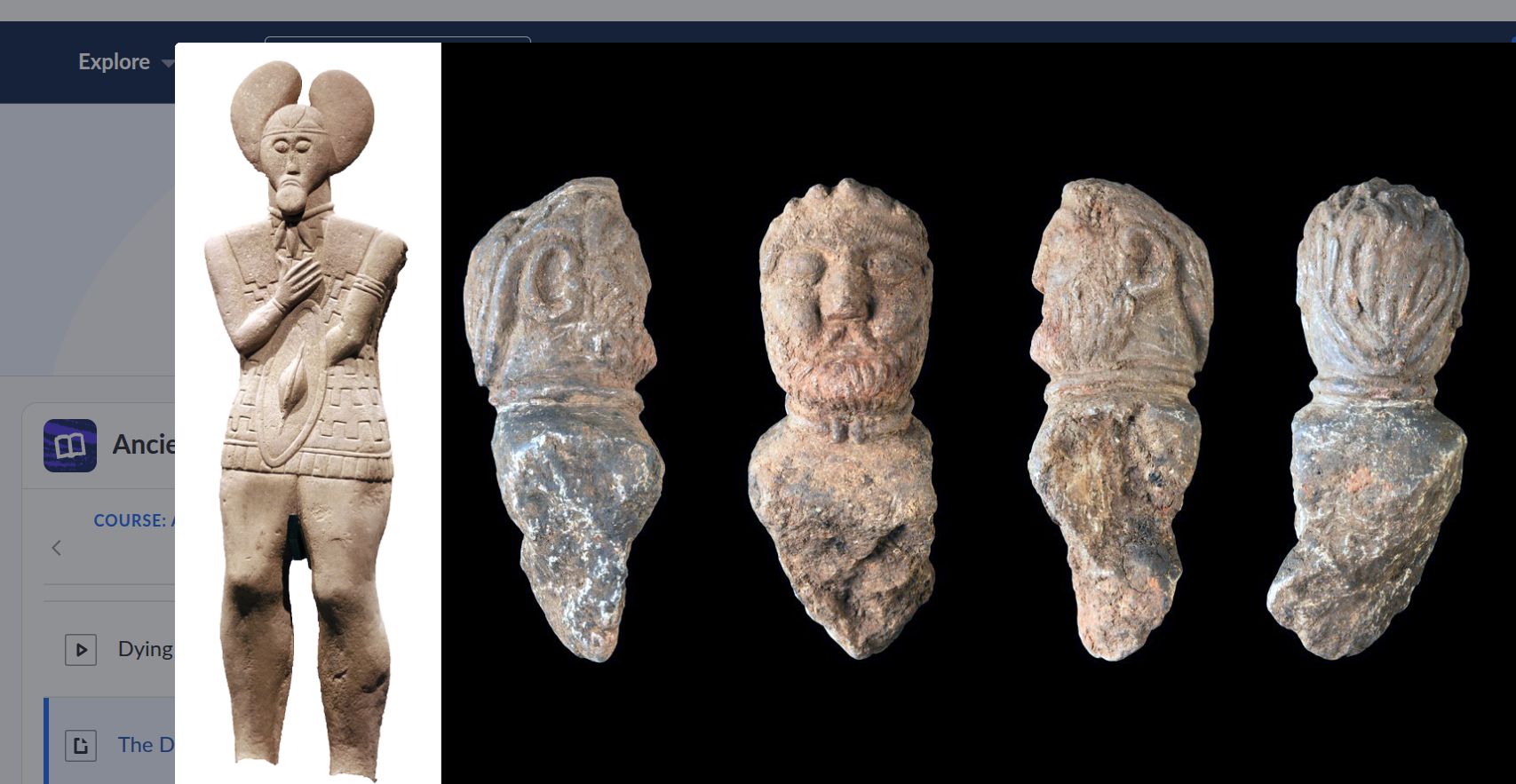
Celtic Sculpture — Trémuson, France
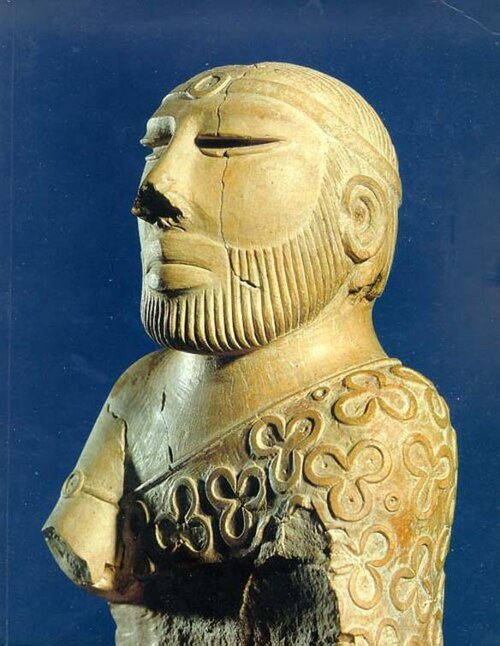
Mohenjo-Daro Priest-King
High forehead • Almond eyes • Full lips • Strong chin • Oval face
High forehead • Almond eyes • Full lips • Strong chin • Oval face
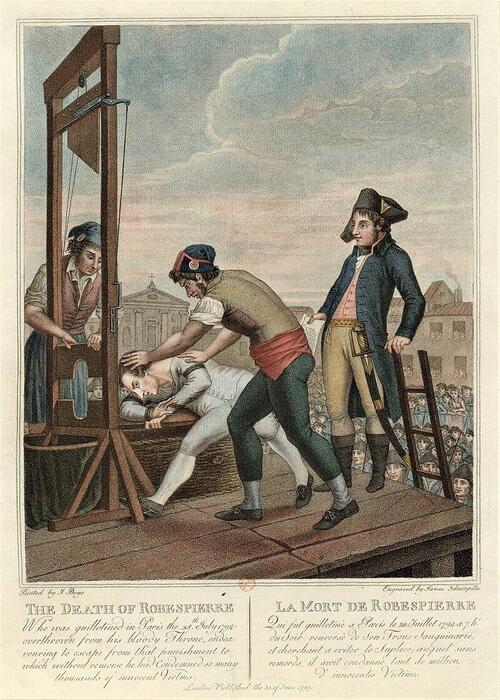
The Death of Robespierre
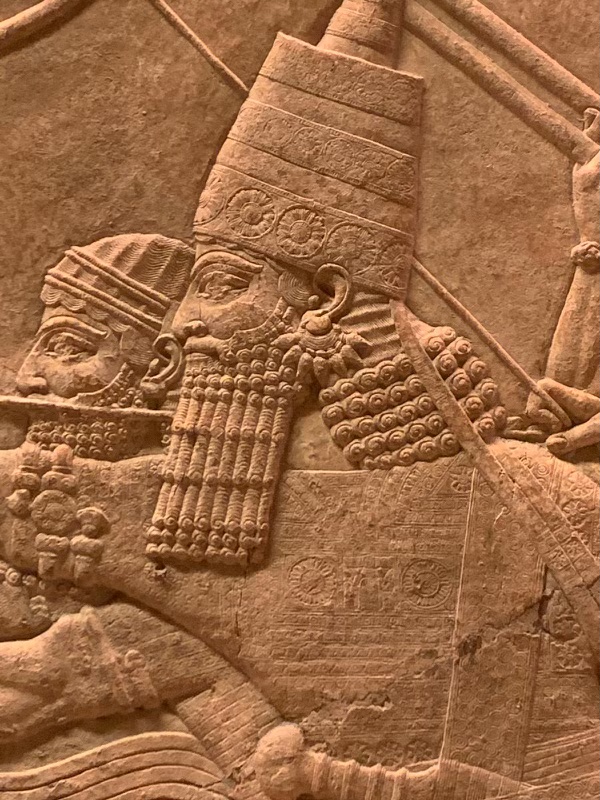
Ashurbanipal — King of Assyria
🏺 Mildenhall Great Dish: Hercules Detail

📌 Research Context: The Mohenjo-Daro Priest-King was identified after the Qwen 3.5 AI had identified allied features: high forehead, almond eyes, full lips, strong chin, and oval face — a combination that appears repeatedly across ancient elite representations worldwide.
All images are from historical and archaeological sources, compiled for research purposes.